
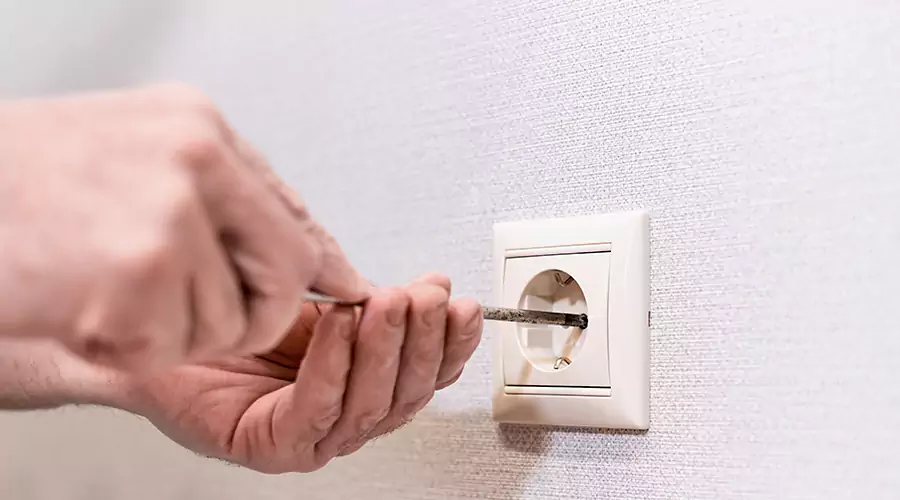
Older American homes often have electrical systems that cannot support modern power use. The most common issues include outdated panels ungrounded outlets aluminum wiring overloaded circuits aging insulation and missing safety devices. These problems can cause overheating power loss or fire hazards during daily use. Electrical troubleshooting helps identify the source of electrical issues and locate unsafe components before they become serious problems. A licensed electrician can inspect the system and identify unsafe components. Upgrading key parts improves safety and supports current electrical demand. Early action prevents damage and reduces long term repair costs.
Aging Systems Struggle With Modern Electrical Demand
Electrical systems in older homes were built for limited appliance use. Today's homes rely on high demand devices which increases strain on wiring and panels.
Wiring insulation weakens with age which reduces its ability to handle heat. Loose connections develop over time which raises resistance and increases fire risk.
Electrical Panels That Cannot Support Current Loads
Many older homes still use panels with limited amperage capacity. These panels cannot safely support modern systems like central air or electric ranges.
Insufficient capacity leads to breaker trips and uneven voltage across circuits. Upgrading to a higher capacity panel improves safety and ensures stable power distribution.
Indicators of Panel Failure
- Breakers trip under normal load
- Lights dim when large appliances start
- Panel feels warm during operation
- Fuse boxes still active
These signs show the panel cannot meet household demand.
Aluminum Wiring and Connection Instability
Some homes built between 1965 and 1973 used aluminum wiring. This material expands when heated which affects connection stability.
Expansion and contraction cause terminals to loosen over time. Loose connections increase resistance which leads to overheating.
Electricians address this issue using approved connectors or partial rewiring. Proper repairs reduce risk without full system replacement in many cases.
Inspection Points for Aluminum Wiring
- Tightness of terminal connections
- Evidence of heat damage
- Correct connector installation
- Oxidation on wire surface (blackening cause poor conductivity)
These checks help determine the safest repair strategy.
Ungrounded Outlets Reduce Protection
Older homes often include two prong outlets without grounding. Grounding provides a safe path for electrical faults.
Without grounding the risk of shock increases. Sensitive electronics may also suffer damage due to unstable current flow.
Replacing these outlets with grounded versions improves safety and allows modern device use.
Circuit Overload Caused by Limited Design
Older homes have fewer circuits which leads to heavy reliance on power strips. This places too much demand on a single circuit.
Overloaded circuits generate heat which damages wires over time. This condition increases the chance of electrical failure or fire.
Adding new circuits distributes load evenly. This upgrade supports modern living and reduces strain on the system.
Wiring Insulation Breakdown Over Time
Electrical insulation degrades as it ages. Heat exposure and environmental factors cause it to crack or become brittle.
Damaged insulation exposes conductors which can lead to short circuits. These faults often occur inside walls which makes detection difficult.
Signs of Insulation Damage
- Flickering lights
- Burning odor near outlets
- Dark marks on switches
- Buzzing sounds from fixtures
Professional inspection can locate damaged sections and restore safety.
Lack of GFCI and AFCI Protection in Key Areas
Older homes often lack modern safety devices. GFCI outlets protect against ground faults in wet areas.
AFCI breakers detect arc faults that can lead to fires. These devices are now standard in kitchens and bathrooms and bedrooms.
Installing these protections reduces risk and aligns the home with current safety practices.
Common Electrical Code Issues in Older Properties
Electrical work in older homes may not meet current code. Past modifications may have been done without proper oversight.
Common issues include exposed splices and missing junction boxes. Overfilled electrical boxes can also create overheating conditions.
Correcting these problems ensures safe operation and improves system reliability.
Understanding Voltage Fluctuations in Older Wiring
Voltage fluctuations occur when wiring cannot maintain consistent power delivery. Older systems often struggle with stable voltage under load.
This issue can cause lights to flicker or appliances to operate inefficiently. It may also shorten the lifespan of electronic devices.
An electrician can test voltage levels and identify weak points in the system. Repairs restore stable performance and protect equipment.
Importance of Proper Grounding and Bonding
Grounding directs excess electricity safely into the earth. Bonding connects metal components to prevent electrical shock.
Older homes may lack proper grounding systems. This increases the risk of shock during a fault condition.
Upgrading grounding improves safety and ensures compliance with modern standards. It also supports surge protection systems.
Electrical Issue Overview and Solutions
| Problem | Risk | Cause | Solution |
|---|---|---|---|
| Outdated panel | High | Low capacity | Upgrade panel |
| Aluminum wiring | High | Loose connections | Install approved connectors |
| Ungrounded outlets | Medium | Old design | Replace outlets |
| Overloaded circuits | High | Excess demand | Add circuits |
| Damaged insulation | High | Aging wires | Replace wiring |
| Missing GFCI or AFCI | Medium | Outdated safety | Install protection |
This table gives a clear view of common issues and practical fixes.
How Electricians Diagnose Electrical Problems
A licensed electrician begins with a visual inspection of the panel and outlets. This step identifies visible damage and outdated components.
The next stage involves testing circuits under load to detect voltage drops. This reveals hidden issues that affect performance.
Opening outlets allows direct inspection of wiring connections. This method ensures accurate diagnosis and targeted repairs.
Understanding Electrical Inspections for Older Homes
Older homes often have electrical systems that may not meet modern power demands or current safety standards. A detailed inspection helps evaluate the condition of wiring, electrical panels, outlets, switches, and other components to identify potential risks or outdated equipment.
The inspection process focuses on finding issues such as damaged wiring, overloaded circuits, poor connections, or aging electrical components. Based on the evaluation, homeowners can understand the condition of their electrical system and determine which repairs, upgrades, or improvements may be needed for safer and more reliable performance.
What Homeowners Learn From an Electrical Inspection
- Complete system inspection
- Detailed explanation of findings
- Safe code compliant repairs
- Installation of updated components
- Final safety testing
This process improves reliability and ensures safe operation.
When Electrical Upgrades Become Necessary
Frequent breaker trips indicate that the system cannot handle current demand. Outdated panels and wiring also signal the need for upgrades.
Renovations provide an ideal time to update electrical systems. Addressing issues early prevents larger problems in the future.
A professional evaluation helps determine the right upgrade plan.
Preventive Steps to Reduce Electrical Hazards
Regular inspections help detect problems before they become serious. Avoid plugging too many devices into one outlet.
Replace damaged outlets or switches without delay. Install surge protection to safeguard electronics.
These steps reduce risk and extend the life of your electrical system.
Final Thoughts on Improving Safety in Older Homes
Older homes require updated electrical systems to meet modern needs. Aging components increase the risk of failure and fire.
Targeted upgrades improve performance and safety. A licensed electrician ensures your home remains safe and functional for years.